Find the Best Selection of Plastic Tanks For You.
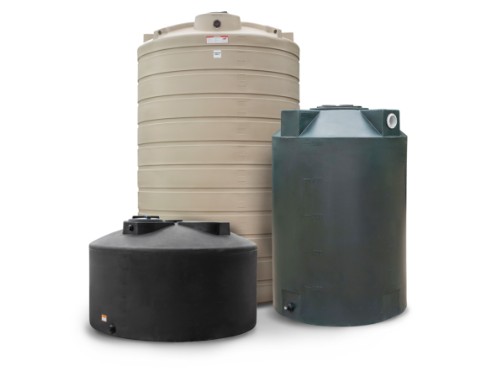
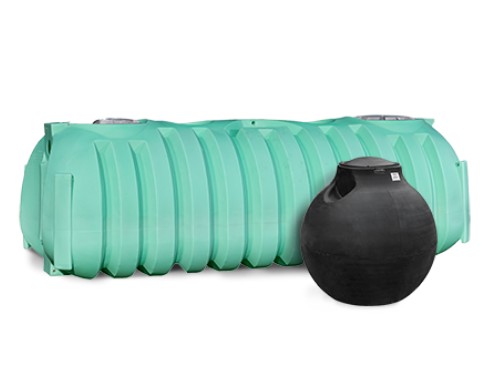
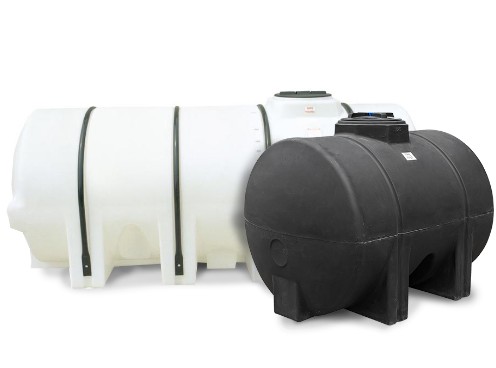
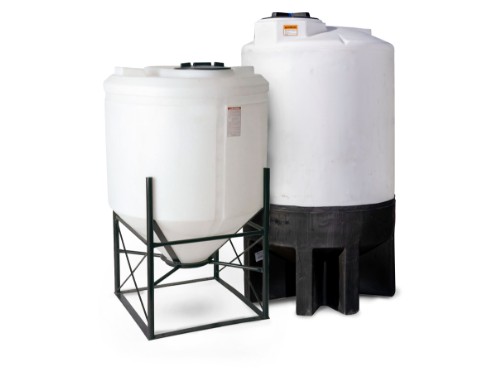
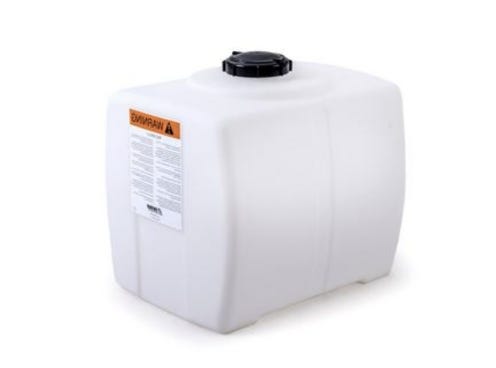
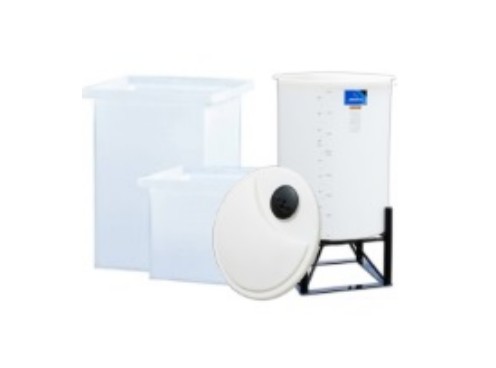
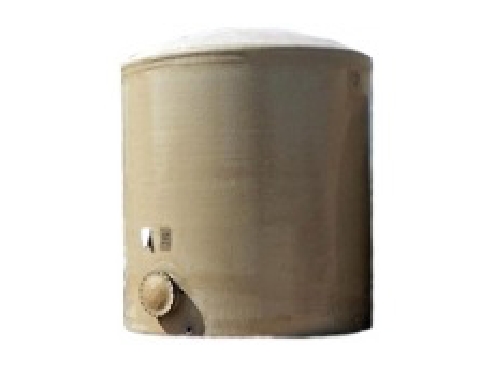
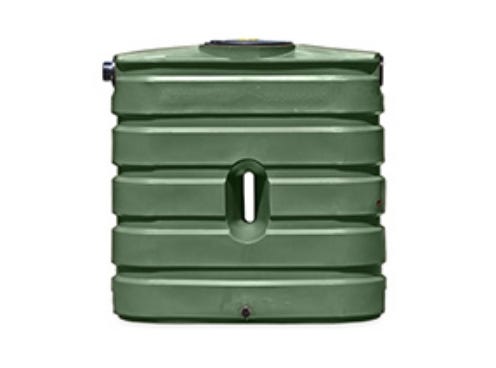
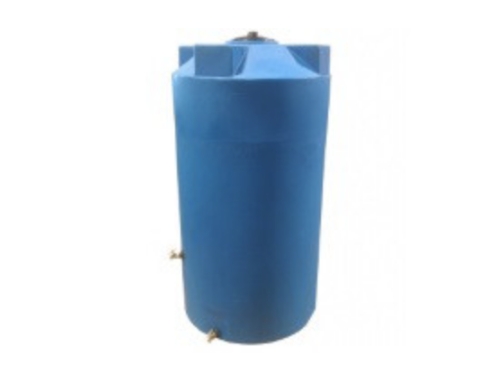
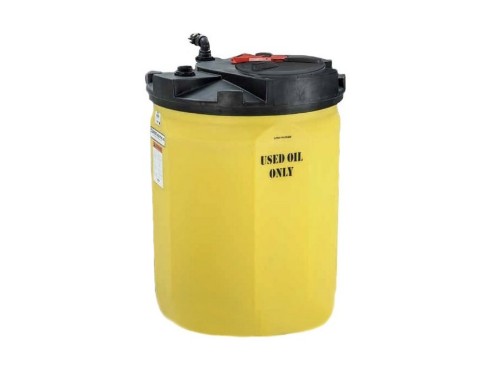
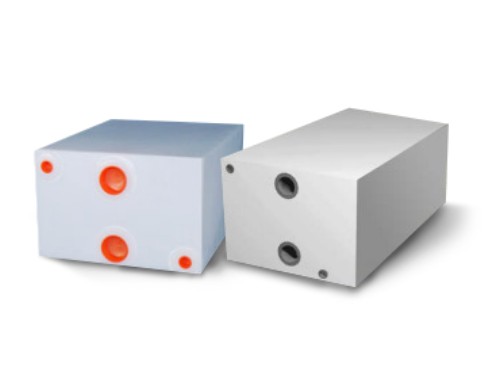
Plastic-Mart.com is the nation's largest supply of above ground & underground plastic tank sizes. From plastic septic tanks to rainwater tanks, RV tanks to boat tanks, we carry it all! Custom plastic tanks are our specialty, and we can create just about any type or size of plastic tank that fits your needs. We also offer a wide variety of water tanks for many projects and applications, including industrial tanks, steel tanks, and poly tanks. We are proud to be the #1 retailer for storage tanks & plastic tanks, and we offer very competitive prices. We service all commercial, industrial, residential "farm/dairy/ranch," & custom jobs from start to finish. Allow our specialists to assist in helping you reach your goal. We offer large and small water tanks in various styles and materials, including HDPE (High Density Polyethylene) tanks. Our rotational mold process allows us to produce any plastic tank of any size or shape - so give us a call today for custom orders.
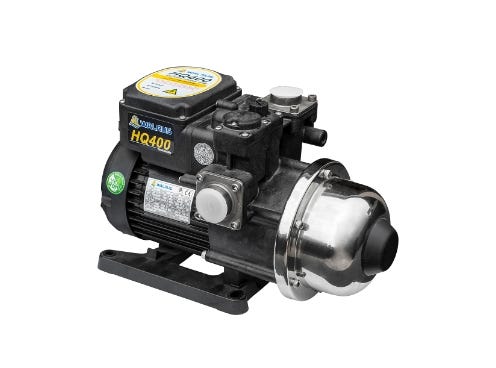
Authorized Online Dealers for: Snyder Industries, Chem-Tainer, Norwesco Tanks, Den Hartog Industries (Ace Roto-Mold Tanks), Ronco Plastics, El Monte Plastics, Promens, Rotonics (RMI), Ultra-Tech, Trionic, Banjo Fittings, Desert Plastics, Custom Rotomold, Tijeras Rain Barrels, Honda Pumps, Briggs & Stratton Pumps, Contain Rainwater Systems, Bushman USA Tanks, Quadel Titan Tanks and Freeman food grade Products, and all leading manufacturers in the plastic rotational molding industry.
Manufacturers, stock yards, brick & mortar stores, & fob points from and to the following locations: Alabama, Alaska, Arizona, Arkansas, California, Colorado, Connecticut, Delaware, District of Columbia, Florida, Georgia, Hawaii, Illinois, Idaho, Iowa, Indiana, Kansas, Kentucky, Louisiana, Maine, Maryland, Massachusetts, Michigan, Minnesota, Mississippi, Missouri, Montana, Nebraska, New Hampshire, Nevada, New Mexico, New York, North Carolina, North Dakota, New Jersey, Ohio, Oregon, Oklahoma, Pennsylvania, Utah, Rhode Island, South Carolina, South Dakota, Tennessee, Texas, Vermont, Virginia, Washington, West Virginia, Wisconsin, Wyoming, Bahamas, Turks & Caicos, and Dominican Republic (Bahamas shipments are based out of Miami, Florida).